How to Clean Your Car After Beach Days, Road Trips, and Summer Heat
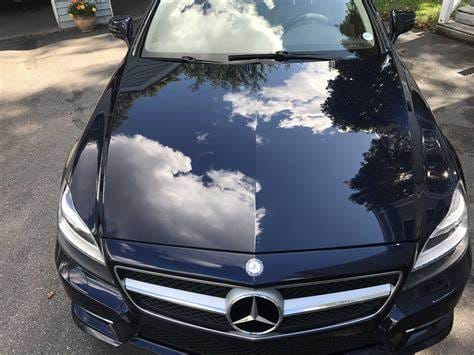
Keeping your car clean after beach outings, summer road trips, or exposure to harsh heat is not just about appearances—it’s essential for maintaining your vehicle’s condition and value. Sand, salt, UV rays, food spills, and lingering moisture can cause lasting damage if not addressed promptly. The process of cleaning your car properly after such conditions is critical to prevent paint deterioration, corrosion, stubborn odors, and interior wear. At The Last Detail, we help drivers in California and beyond keep their vehicles in peak shape using eco-conscious, industry-leading methods that meet strict drought and EPA compliance.
Whether you’re a DIY enthusiast or prefer to rely on mobile professional detailing services, the right approach ensures your car stays fresh, healthy, and protected during and after the toughest summer adventures. Here, we provide an authoritative, step-by-step guide rooted in our expertise, along with pro tips and answers to the most common questions about post-beach, road trip, and summer heat car care.
Definition: What Makes Summer and Beach Cleaning Unique?
Summer and beach car cleaning targets specific contaminants and environmental factors that standard washes often overlook. Key issues include:
- Sand, which scratches surfaces if not removed gently
- Salt from ocean air, accelerating undercarriage and wheel corrosion
- Moisture leading to mold and mildew in carpets and upholstery
- Bug splatter, tar, and road film from highway travel
- UV rays that degrade paint, plastic, and interiors
Effective cleaning requires adapted tools, the right order of operations, and often special products—like ceramic sealants or plant-based cleaners—to remove and protect against these threats.
Essential Tools and Supplies for Proper Summer Detailing
- Dual-bucket system (one for rinse, one for wash solution, ideally with grit guards)
- pH-balanced, automotive-specific soap (never use dishwashing liquids)
- Microfiber wash mitts, drying towels, and soft wheel brushes
- Quality vacuum (wet/dry), upholstery brush, and crevice attachments
- Natural or EPA-approved interior cleaners
The Last Detail uses biodegradable, OMRI-listed, and Dr Bronner's fair-trade certified soaps for eco-friendly cleaning, paired with dechlorinated water and water recovery mats to protect local watersheds. Read more about our sustainable approach in How Eco-Friendly Car Detailing Helps Protect California’s Waterways.
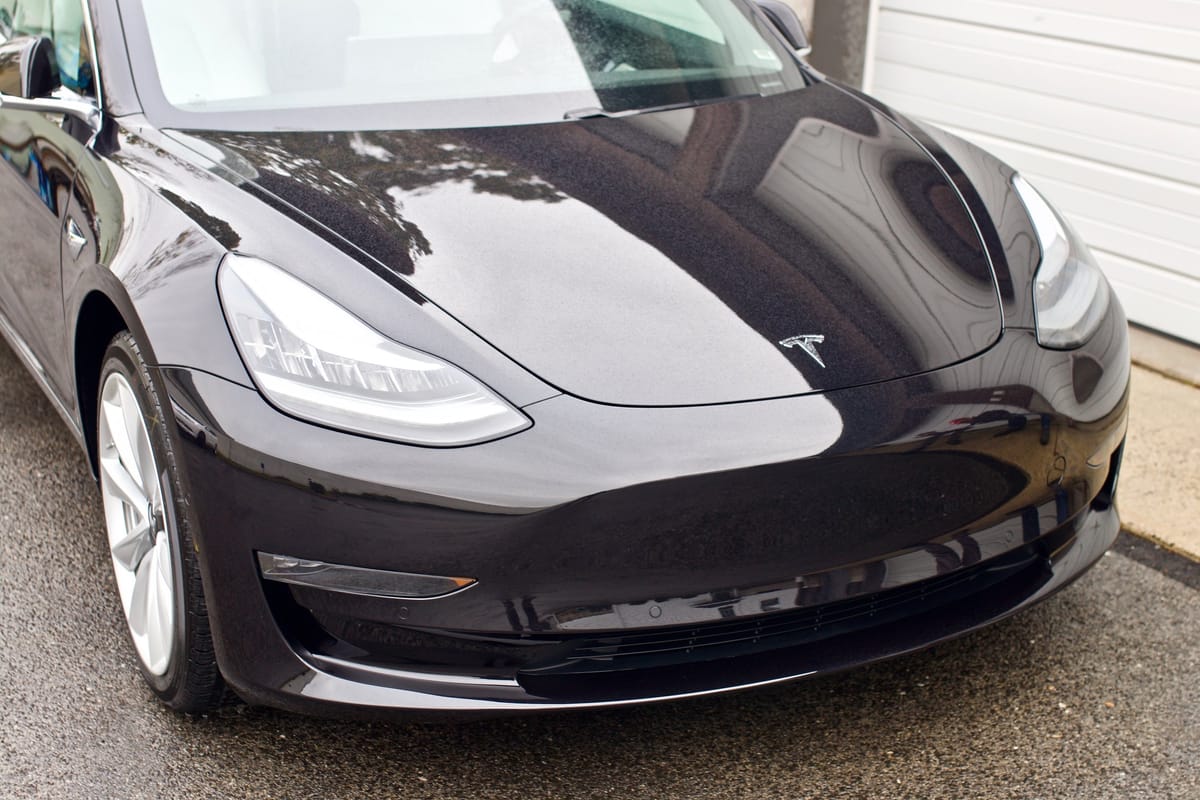
Step-by-Step: Cleaning After Beach Days
1. Immediate Rinse
- Rinse your vehicle thoroughly with fresh water as soon as possible after exposure to sand or salt. Avoid wiping until debris is flushed away to prevent micro-scratches.
- Focus on wheel wells, undercarriage, and lower body panels. Use a high-pressure hose or visit a self-serve wash if you do not have access to one at home.
2. Two-Bucket Wash Method
- Wash gently with a microfiber mitt, starting from the roof and working down. Rinse the mitt frequently in a separate bucket to avoid grit transfer.
- Use dedicated brushes and cleaners for wheels and tires. Wheel-specific brushes prevent brake dust from reaching your paint.
3. Quick Drying
- Dry immediately with a clean microfiber or chamois towel. In hot weather, water spots can form fast. For hidden water in mirrors and trim, a gentle air blower works well.
4. Interior Sand Removal
- Remove all floor mats and shake them thoroughly outside the cabin.
- On fabric carpets and mats, agitate sand loose with a stiff brush before vacuuming. Use compressed air or a brush for seat and dash crevices.
5. Preventing Mold and Managing Moisture
- If seats or carpets are damp, ventilate with doors open in shade or use a portable fan. Address any visible mold immediately. The Last Detail offers remediation with a 99.9% effective topical solution and ozone treatment for interiors.
6. Refresh and Protect
- Apply interior protectants suited for your surfaces (leather, vinyl, plastic) to guard against salt and sun.
- Wax or ceramic spray provides a sacrificial barrier until your next detail. Ask about discounted ceramic sealant maintenance at The Last Detail for long-lasting defense.
Step-by-Step: Cleaning After Road Trips
1. Pre-Soaking Bugs and Tar
- Loosen bugs, tar, and grime with a pre-wash or bug remover. Let it soak before manual washing to avoid scratching.
2. Full Exterior Clean
- Repeat the two-bucket method. Clay bar any sections that still feel gritty after washing—this step is included in our Full Detail package, ensuring a deep clean before protection is reapplied.
3. Thorough Interior Reset
- Remove trash, vacuum every surface (including trunk and under seats), and wipe down high-touch areas. Spot clean any drink, snack, or sunscreen spills with appropriate products.
- If odors or stains persist, professional steam cleaning or enzyme cleaning may be warranted. The Last Detail’s Eco-Ultimate and Ultimate packages offer these advanced cleaning methods.
Step-by-Step: Cleaning and Protecting in Extreme Summer Heat
1. Timing Matters
- Always clean in the early morning or late afternoon, and in shaded areas if possible. Direct sun can set stains, streaks, and water spots.
- When professional help is needed, The Last Detail brings a canopy to each service location to reduce evaporation and prevent spotting.
2. Choose Gentle, Professional-Grade Cleaners
- Use mild, pH-balanced, car-specific soaps and avoid generic household cleaners that strip wax and harm finishes.
- Opt for plant-based, OMRI-listed, or EPA-approved formulas as recommended by The Last Detail for both safety and environmental responsibility.
3. UV Protection for Paint and Interior
- Apply wax or ceramic sealant quarterly, or more often if your car is parked outside daily. Regular conditioning of leather and plastic prevents cracking and fading caused by sun.
- For ultimate protection, professional ceramic coatings are available through The Last Detail with 3 or 8-layer options, lasting up to 6 years and including a complimentary pH wash at 6 months.
4. Prevention of Water Spots
- Always dry as soon as you rinse. Demand filtered or dechlorinated water when possible—The Last Detail includes this by default to minimize mineral residues.
Preventive Tips for Summer and Beach Use
- Carry a spray bottle or jug to rinse off feet and sandy gear before entering your car during beach outings.
- Shake out towels, wetsuits, and equipment well away from the vehicle.
- Invest in rubber floor mats, which are easier to clean and less prone to moisture absorption than carpet versions.
- Apply a fresh coat of wax or ceramic sealant before major trips so that cleanups after bugs and tar are faster and safer. For a deep dive into ceramic protection, see Is a Ceramic Sealant Worth It Before a Summer Road Trip?.
When to Rely on Professional Detailing Services
While routine cleaning at home helps, there are times when professional intervention is the smart choice:
- Odors or visible mold remain after multiple attempts to clean
- Swirl marks, paint etching, or failed DIY protection are noticeable
- Vehicles with repeated or heavy salt/sand exposure
- Kids, pets, or ride shares have left interiors heavily soiled or stained
The Last Detail’s mobile detailing vans are equipped with dechlorinated water, generators, water recovery mats, and steam cleaning capability. We serve at your home, office, or other location, and our flexible service menu covers everything from quick ceramic washes to full restoration packages for RVs, Sprinters, and airplanes.

Best Practices for Maintaining a Fresh Car All Summer
- Rinse your car and vacuum interiors after each beach day. Target same-day cleaning whenever possible.
- Clean thoroughly post-road trip (typically after 200+ miles) to remove bugs, tar, and interior messes.
- Schedule a more thorough wash—including wheels, tire dressing, and interior wipe-down—every 2 to 4 weeks.
- Reapply wax or ceramic spray at least every 3 months, more often if exposed to harsh elements.
- Book an annual or semi-annual professional full detail. For larger vehicles or frequent drivers, consider deeper coverage—see RV and Motorhome Cleaning: What to Look for in a Professional Wash for more insights.
FAQ: Summer, Beach, and Post-Trip Car Cleaning
How soon should I wash my car after a beach visit?
Ideally, rinse and clean your car the same day to prevent salt-induced corrosion and sand-related micro-abrasions.
What products do you recommend for sensitive or allergy-prone interiors?
The Last Detail uses hypoallergenic steam cleaning and plant-based soaps, minimizing chemical exposure in your vehicle environment.
How often should I detail my car during peak summer months?
We suggest a full exterior/interior wash every 2–4 weeks, reapplying protective coatings every 3 months, and a professional detail at major season changes or before/after long trips.
My car smells musty and carpets are still damp—what should I do?
Ventilate naturally, but if odors persist or there is visible mold, seek professional remediation. The Last Detail provides ozone and topical antimicrobial services for this scenario.
What are the advantages of ceramic coatings for summer?
Ceramic coatings provide long-term UV, salt, and contaminant protection, making cleanup easier. Multi-layer SiO2 coatings from The Last Detail can last up to 6 years and offer a deep gloss finish.
Can you help with larger vehicles like RVs or Sprinter vans?
Absolutely. Our team is equipped for large vehicles and specialty surfaces, ensuring complete coverage whether you need a quick wash or full detail on RVs, Sprinters, and more.
Conclusion: Keep Summer Fun, Not Grimy
Enjoying summer to the fullest doesn’t mean you have to sacrifice your car’s condition. With an informed approach to summer- and beach-specific contaminants, coupled with the expertise, water conservation, and environmentally responsible methods of The Last Detail, you can make sure your vehicle stays sharp through the season—and beyond. For a personalized detail plan or to book a discounted ceramic sealant maintenance, visit our website or call us directly.